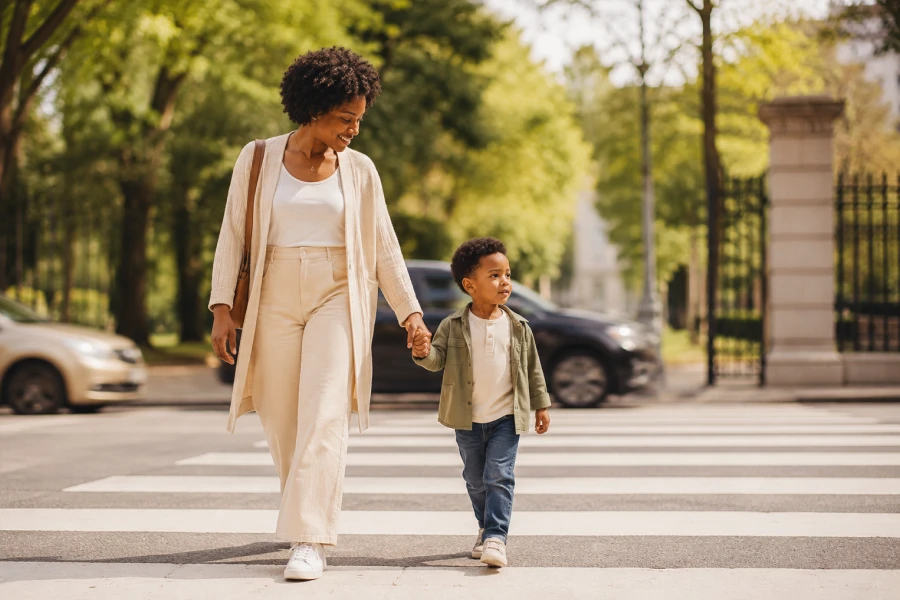
Every family outing becomes easier when child safety in public places begins with a simple plan. Children feel calmer when they know where they are going. Parents also react faster when expectations are clear. A quick preview can cover boundaries, meeting points, and trusted adults. Keep the language direct, warm, and age appropriate. Young children need repetition more than lengthy explanations. Older children benefit from practicing choices before real pressure appears. The goal is confidence, not fear. Consistent preparation supports child safety outside home without turning ordinary trips into stressful drills. Small routines create dependable habits that travel everywhere with your family. They also give children a reassuring sense of what will happen next.
Preparation gives children a mental map before they face noise, movement, and unfamiliar people. Start by naming the destination and the likely challenges. Explain where everyone will stay together. Choose one visible meeting place in case someone gets separated. Review which adults may help, including staff members or uniformed workers. Practice saying a parent’s full name and phone number. For younger children, place contact information inside a pocket. This simple child identification plan can reduce panic during an unexpected separation. Rehearsal should feel practical rather than dramatic. A calm preview makes safe behavior easier to remember when the environment becomes distracting. It also gives parents a shared script during stressful moments.
Boundaries work best when they describe exactly what children should do. Replace vague warnings with specific instructions. Say stay beside the stroller rather than be careful. Mark a physical limit at playgrounds, plazas, or waiting areas. Ask children to repeat the boundary in their own words. This confirms understanding without sounding like a test. Use the same family phrases during every outing. Familiar wording helps children respond quickly when attention shifts. Strong public space safety for kids grows from predictable expectations and steady follow-through. Parents can remain warm while still enforcing limits immediately and consistently. Children usually accept boundaries more readily when adults apply them without anger.
Safety lessons should strengthen judgment without suggesting that danger waits everywhere. Focus on useful actions instead of frightening possibilities. Teach children to pause, look, listen, and ask before moving away. Role-play common moments, such as losing sight of a parent. Let the child choose a safe helper during practice. Praise the decision process, not only the correct answer. Avoid graphic stories or repeated warnings about strangers. A balanced approach to stranger awareness for children includes recognizing suspicious behavior from anyone. Children should know that trusted adults respect boundaries. Confidence grows when they understand what to do next. This balance protects awareness while preserving curiosity about the wider world.
Crowds create fast changes, limited visibility, and competing sounds. Dress children in noticeable colors before festivals or busy attractions. Take a current photo when you arrive. Agree on handholding rules before entering dense areas. Older children can carry a small card with emergency details. Choose a meeting point that will not move. Remind everyone to stop rather than wander if separated. Effective crowded place safety depends on simple instructions that remain clear under stress. Parents should scan ahead for exits and staff stations. These steps take minutes but make reunification much faster. Clear preparation also helps adults communicate useful details to security staff.
Ordinary errands provide frequent chances to build awareness naturally. Ask children to identify safe walking paths in a parking lot. Invite them to spot entrances, exits, and help desks. Let them explain why one route looks safer. Correct mistakes gently and add one useful detail. Over time, children begin noticing their surroundings without reminders. This develops situational awareness for kids in a practical, nonthreatening way. Parents should model the same habits aloud. Mention checking traffic, staying visible, or avoiding isolated areas. Learning becomes part of family life instead of a special emergency lesson. Frequent low-pressure practice makes good decisions feel ordinary and achievable.
A family response plan should remain short enough to recall instantly. Choose three actions for common problems. Children might stop, find a helper, and share contact information. Practice the sequence in different locations. Rotate scenarios so the lesson stays flexible. Include parks, stores, transit stations, and community events. Keep each rehearsal brief and end with encouragement. Review the plan every few months as children mature. Reliable safety behavior comes from repetition under calm conditions. When families practice together, children gain independence while parents preserve appropriate oversight. The plan remains useful because everyone understands both freedom and responsibility. Regular review keeps that shared understanding current as routines and abilities change.



Leave a comment