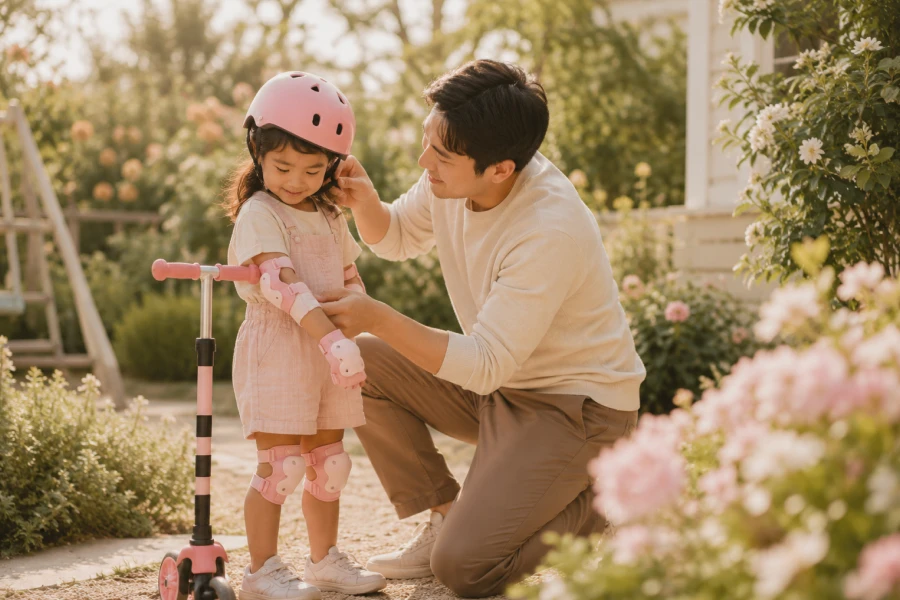
Good outdoor safety rules for children should feel familiar enough to use without constant reminders. The strongest habits start with simple actions repeated during ordinary family time. Children learn faster when rules connect to visible situations. A curb, gate, climbing frame, or bike path offers an immediate teaching moment. Parents can explain one decision at a time. Too many warnings often blur together. Clear routines support independence while preserving supervision. Consistency also makes correction feel less personal. A dependable family safety plan helps everyone follow the same expectations across parks, streets, and public spaces. Regular practice turns safety from a lecture into an everyday skill. Children then carry those habits into outings with relatives, teachers, and friends. Parents also spend less time repeating urgent warnings.
Memorable rules use short language and repeatable actions. Choose phrases that tell children what to do. Stop at the edge works better than watch out. Ask children to demonstrate each rule immediately. Movement helps younger minds remember instructions. Use the same wording across caregivers whenever possible. Grandparents, sitters, and teachers can reinforce the pattern. A shared safe walking routine reduces confusion during busy transitions. Limit the first lesson to two or three priorities. Once those habits become automatic, add another rule gradually. Simple visual reminders can help during the first few outings. Keep praise specific so children understand which action worked well.
Parks combine open space, moving equipment, unfamiliar children, and changing sight lines. Begin by identifying the play area boundary together. Show children where they may climb, run, or ride. Check surfaces for heat, damage, standing water, or broken equipment. Encourage turns instead of rushing onto crowded structures. Stay close enough to intervene without controlling every movement. Strong playground supervision changes as children gain skill and judgment. Younger children need direct proximity. Older children still need visual contact and clear check-in expectations. A brief scan before play prevents many avoidable problems. Parents should also watch how children respond to faster or more confident peers. Social pressure can change safe choices quickly.
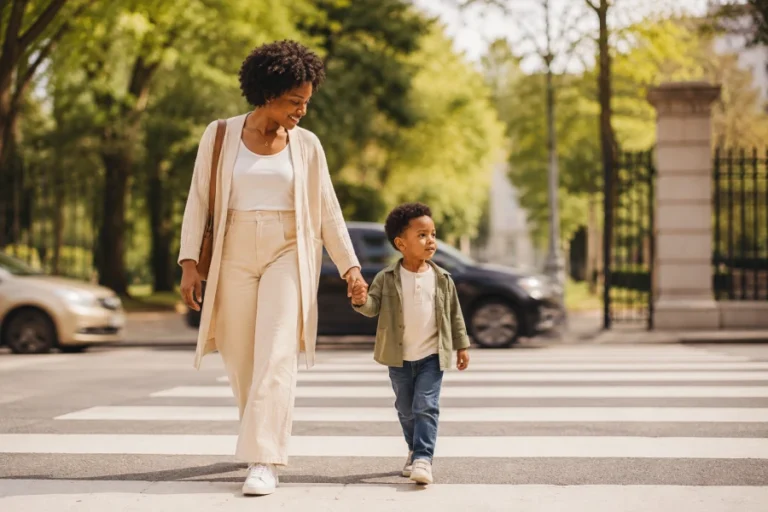
Traffic safety requires repetition because children misjudge speed and distance. Always stop fully before stepping from a curb. Look left, right, then left again together. Make eye contact with drivers whenever possible. Explain that a stopped vehicle may hide another moving one. Avoid crossing between parked cars. Practice street crossing habits on quiet roads before using busier intersections. Keep phones away while walking with children. Narrate your choices so children hear the reasoning. Over time, they begin checking conditions rather than simply copying adults. That shift shows real understanding rather than memorized compliance. Continue asking questions even after the routine looks established.
Safety expectations should expand with a child’s development. Toddlers need physical boundaries and immediate adult guidance. Preschoolers can follow one-step rules and identify safe helpers. Elementary-age children can compare routes and explain possible risks. Preteens should practice handling short periods of greater independence. Each stage needs observation before new freedom is added. A useful emergency contact practice also changes with age and memory. Younger children may carry written details. Older children should memorize key information and know backup contacts. Gradual responsibility builds judgment without removing support too quickly. Parents can step closer again when a new environment adds complexity. Flexibility is a strength, not a sign of failure.
Children will forget rules when excited, tired, or overwhelmed. Correct the action quickly but keep your tone steady. State what happened and what should happen next. Avoid labels such as careless or irresponsible. Ask the child to repeat the safer action. Then allow the outing to continue when appropriate. This approach protects the relationship while strengthening accountability. Long lectures often reduce attention after the first point. Brief feedback works better during active situations. Later, discuss patterns privately if the same mistake keeps returning. Ask whether excitement, confusion, or unclear wording contributed. A practical adjustment often works better than stronger punishment.
The purpose of safety rules is not permanent dependence. Children need supervised chances to make decisions. Start with small choices inside clear limits. Ask which path offers better visibility. Let them select a safe place to wait. Invite them to explain when an adult should be called. These moments reveal understanding more clearly than memorized answers. Parents can increase freedom when judgment appears consistently. Progress should remain gradual and reversible. Independence becomes safer when children know that asking for help is always allowed. Adults should celebrate honest questions and cautious decisions. That response encourages children to speak up before a problem grows.



Leave a comment